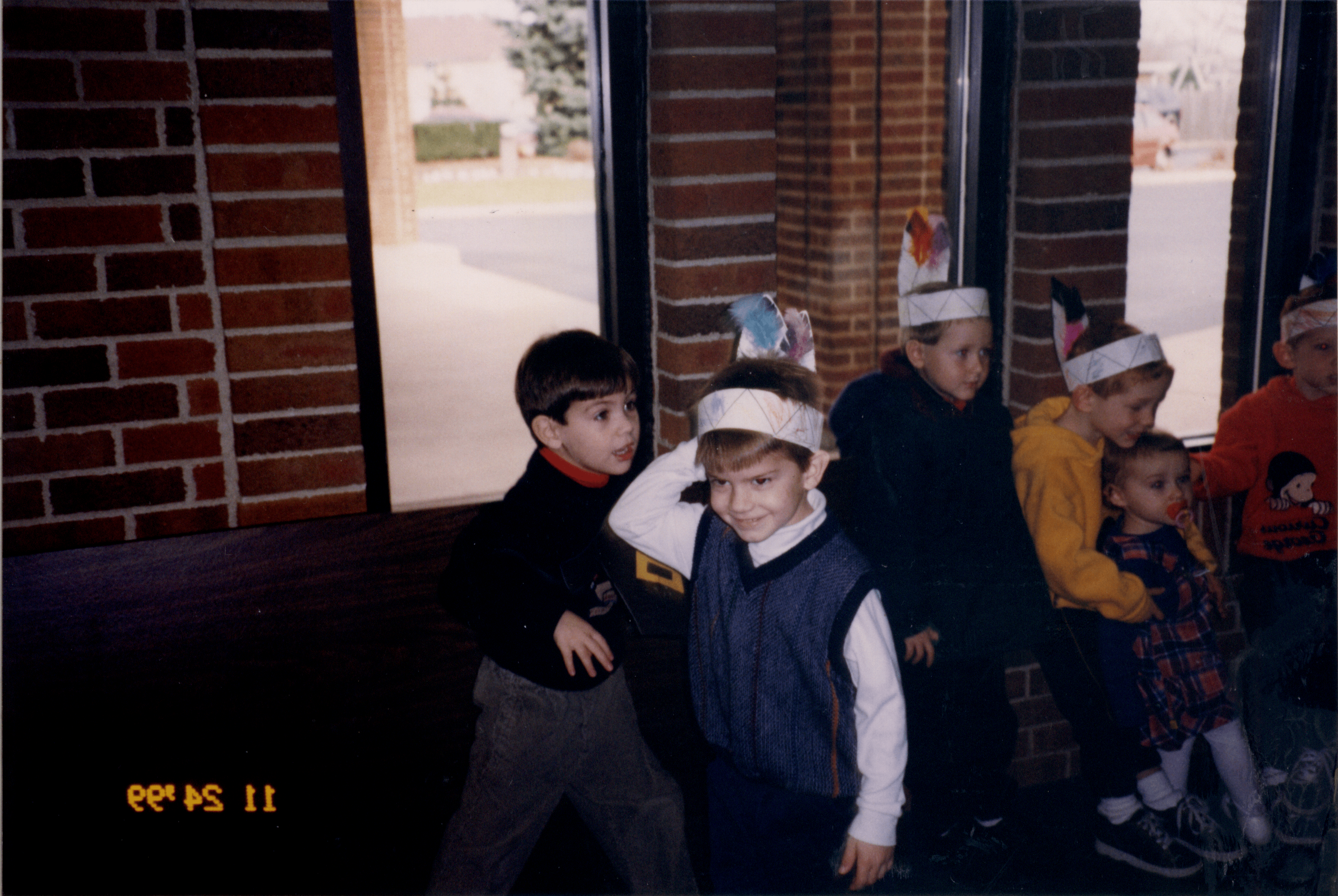
On Memorial Day, I woke up to my sister shouting that there was an ambulance at the Redman’s. Ambulances aren’t supposed to be quiet.
My oldest friend, Ryan Redman, had taken his own life. We hadn’t been close for a long time. In the last five years, he’s honestly been closer to my sisters than to me. We were tokens of the past to one another, barely real. It occurred to me this morning that there are small moments that I’m now the only witness to. I wasn’t the friend that knew him best, but I knew him first. I’d like to share some of those moments, and reflections on the unimaginable.
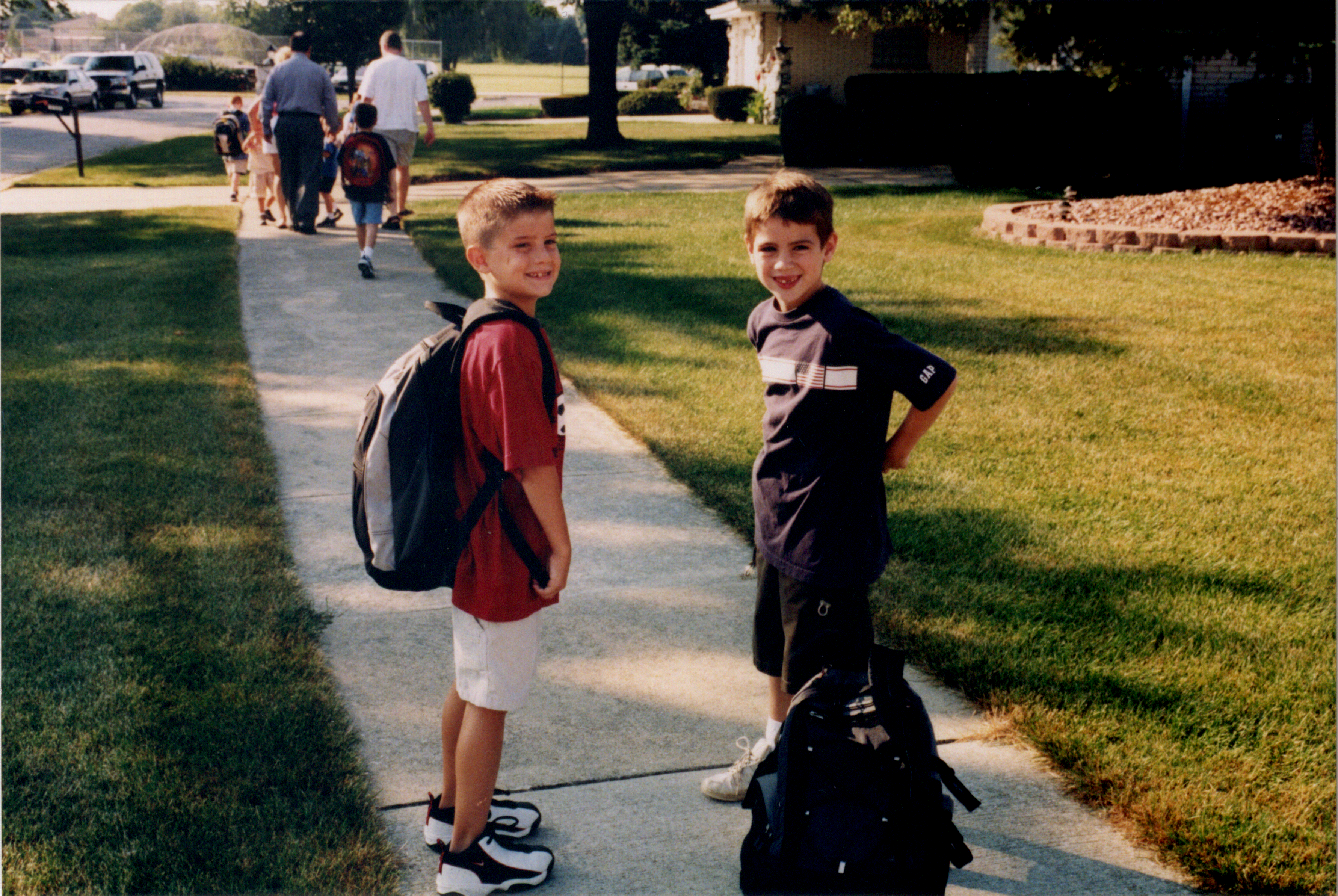
The last time we talked at length, the excitement of elementary school summers had dimmed into cordial friendship. It was the middle-school graduation party for his twin brothers. I got the impression that while I made him think of our elementary school silliness, I also reminded him of a path not taken (mostly a path that involved Band). I think Ryan was a little surprised and excited at the fact that I could make him laugh, and that we could still enjoy each other. We joked about my grades being on a steady decline since elementary school, and how the twins would be better than all of us.
The years before that we only spent time together at New Year’s celebrations and church trips. For a few hours we could close the gap of changing personalities and interests. I would do my best to force out Ryan’s mischievous grin. You know the one; we all have friends who can’t contain their excitement for a good prank, an impressive tease, an opportunity for one-ups-manship. In these moments, whatever image he had of me, and the imagined life I’d built for him would pop. We were children again. But then, the moment would pass. We’d move on.
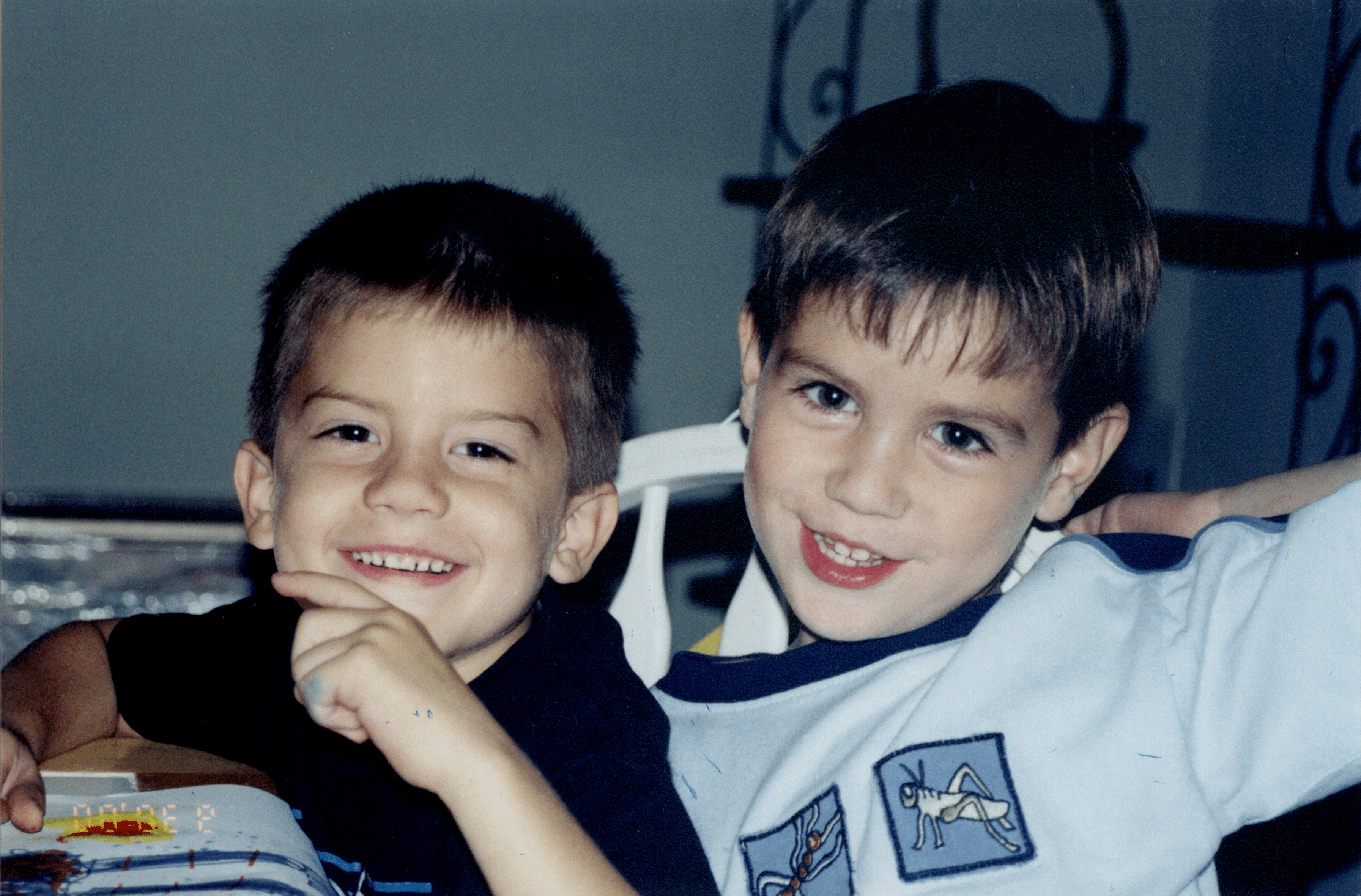
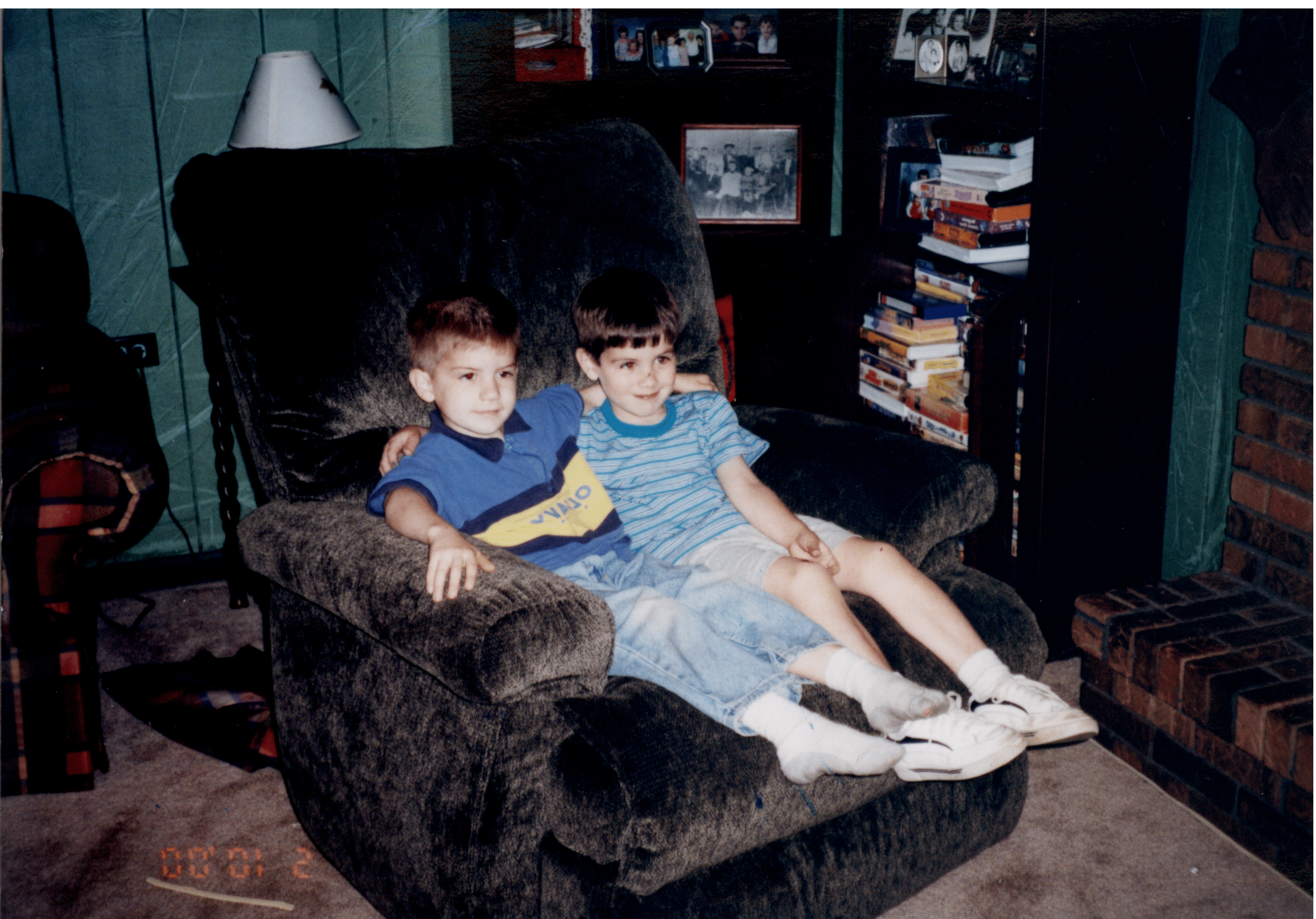
I do that a lot. I move on. Going into elementary school Ryan and I had more friends than we could ever want in our neighborhood. There were his three brothers, the Reedy twins, the Gallimores, the Mannings, my own three sisters, the Rufs, an absolute swarm of bikes and made-up games that infuriated our more gardening-minded neighbors. It was something out of The Sandlot, minus the singular emphasis on sports. Then everyone started to move. First the Gallimores, then the Mannings, then the Reedys. The Rufs were all younger than Ryan and I, so we were basically left with one another. We learned early that friends come and go. I don’t know if we expected to drift apart as well, but I imagine we were just happy to not be alone. Ryan moved across the street. I was overjoyed.
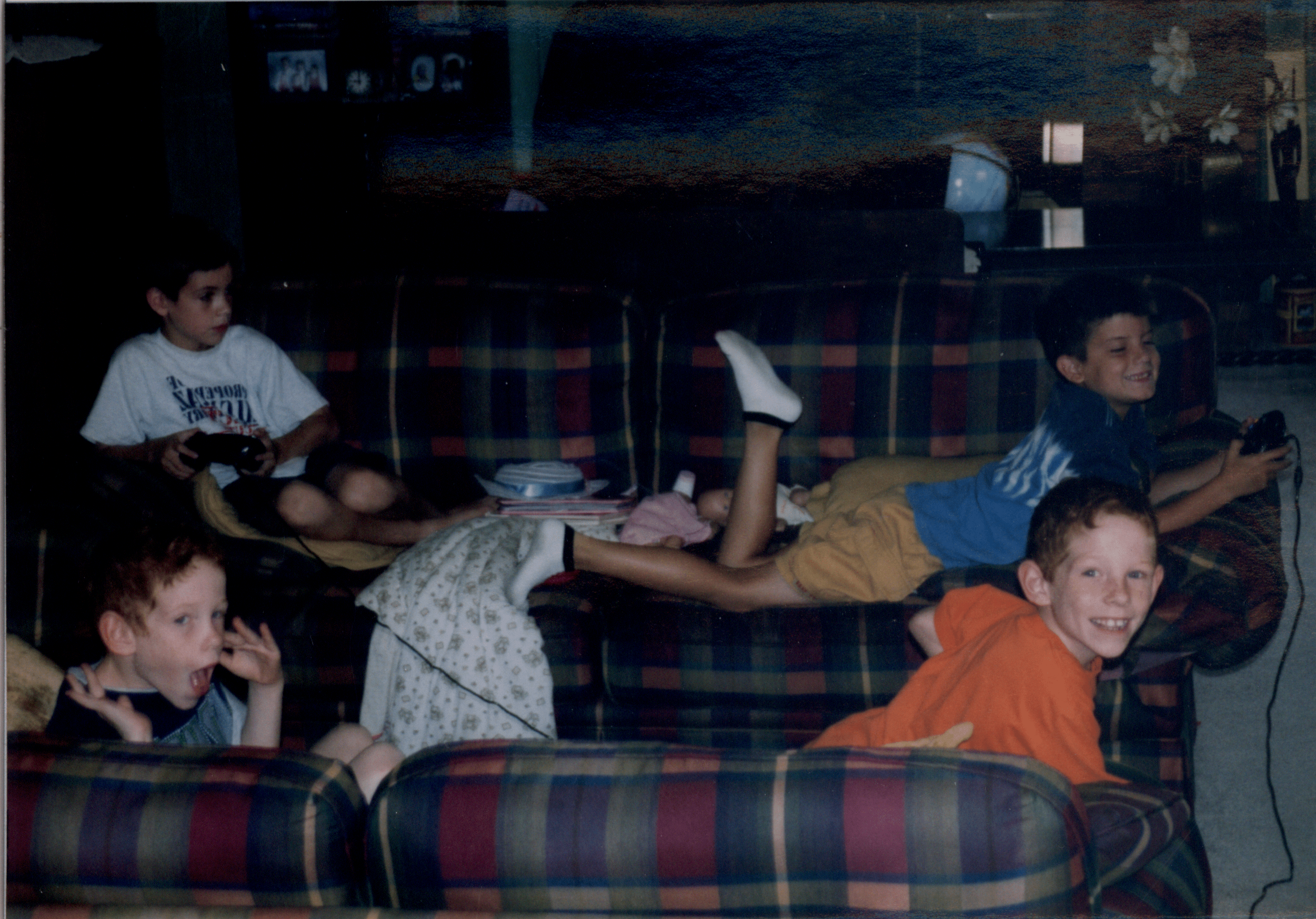
I remember in first or second grade (maybe even before, the timelines for most of these memories are blurry) when we decided to play spies in my backyard. I had seen a few James Bond movies on vacation, and he was clearly the man to be. We’d invent villains, hide around the little dilapidated fort in my backyard, and flesh out our own characters. There were even confused jabs at emulating the romantic tropes of the Bond films.
“So do we have girlfriends?” I said, becoming suddenly fascinated with my feet.
“Uh…Sure.”
“I think mine would be named Samantha.”
“Yeah, I’d have one too.”
And so we’d go on and try to save Samantha, like the top-notch agents of Her Majesties’ Secret Service that we were. Whoever was in charge of us never made an appearance. Then Ryan took our romantic posturing a little further. A word was used I didn’t recognize, and as far as I know, Ryan didn’t either.
“So do we…sex…the girlfriends?”
In my mind, this meant an upgrade from the peck on the cheek I’d give a girl in pre-school to the suction-cup strategy Bond employed with any number of women. That was part of the gig, after all.
In most of our play we showed an innate knowledge of the golden rule of improvisation. Ryan and I were committed to the “Yes, and.” I remember feeling uncomfortable–I didn’t really know what Ryan was talking about. But Ryan was already well-liked at school, more confident than me, and of course, there’s the unspoken agreement among little kids that one should defer to the fastest runner. So, we briefly agreed that we would make love to our imagined girlfriends by pretending to kiss them at some point, and moved on. We never executed on that particular Bond tradition. We defeated the villains, and sort of got the girls. Mission accomplished.
Just as Ryan’s bravery in imagination could bother me, my interests could make him wriggle. I noticed sometime around second grade that if I projected my voice in a new way, it sounded a hell of a lot better than how I had been singing in church my whole life. It was a shocking revelation, and there was only one person who I could share it with. I asked Ryan if he had a “Real singing voice” before demonstrating my own discovery. Ryan shifted on his bed, and said that it sounded good. We went back to playing video games shortly after. I don’t think Ryan had a “real” singing voice to share with me. In general, Ryan was very guarded with his thoughts, if not his emotions, even for a kid.
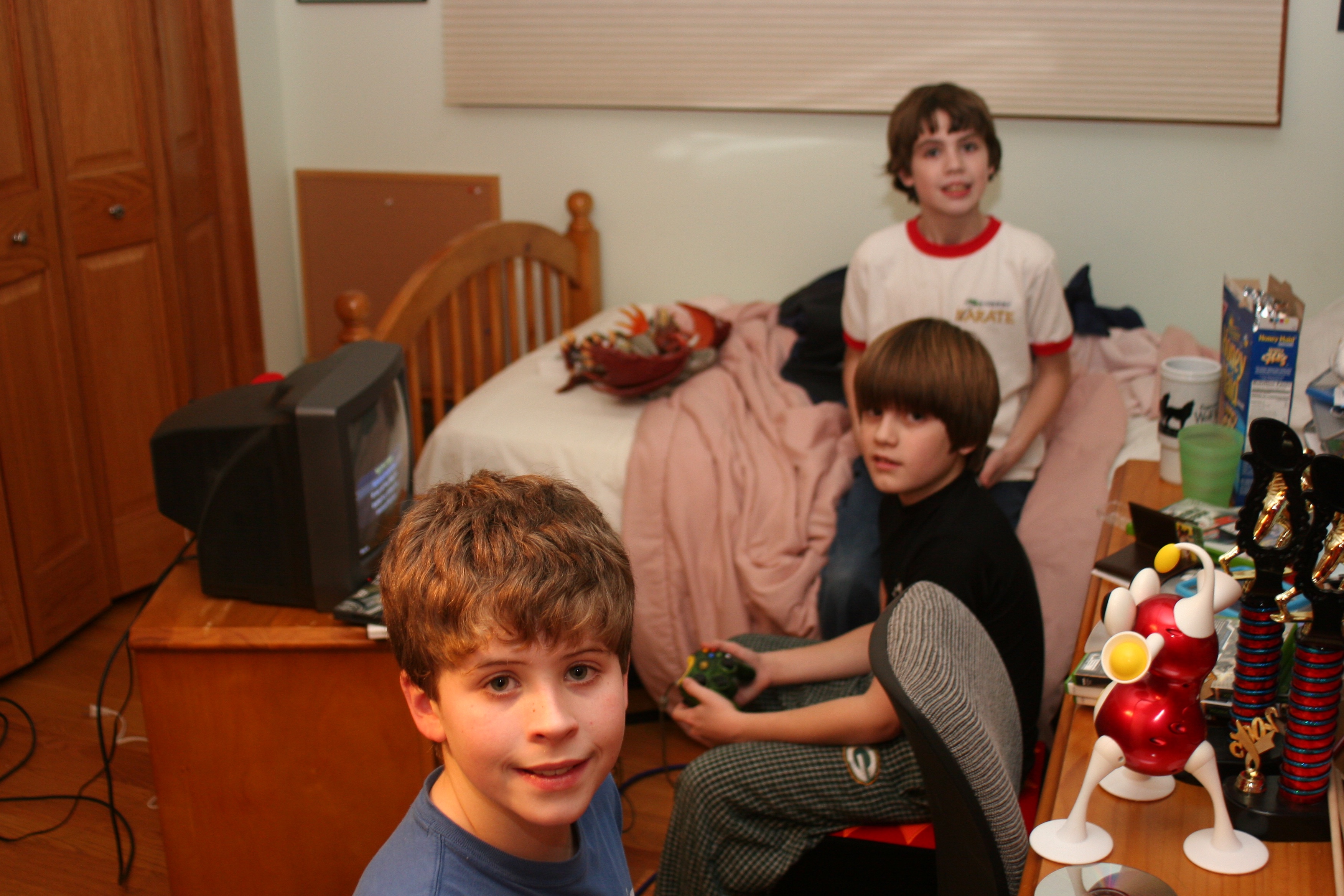
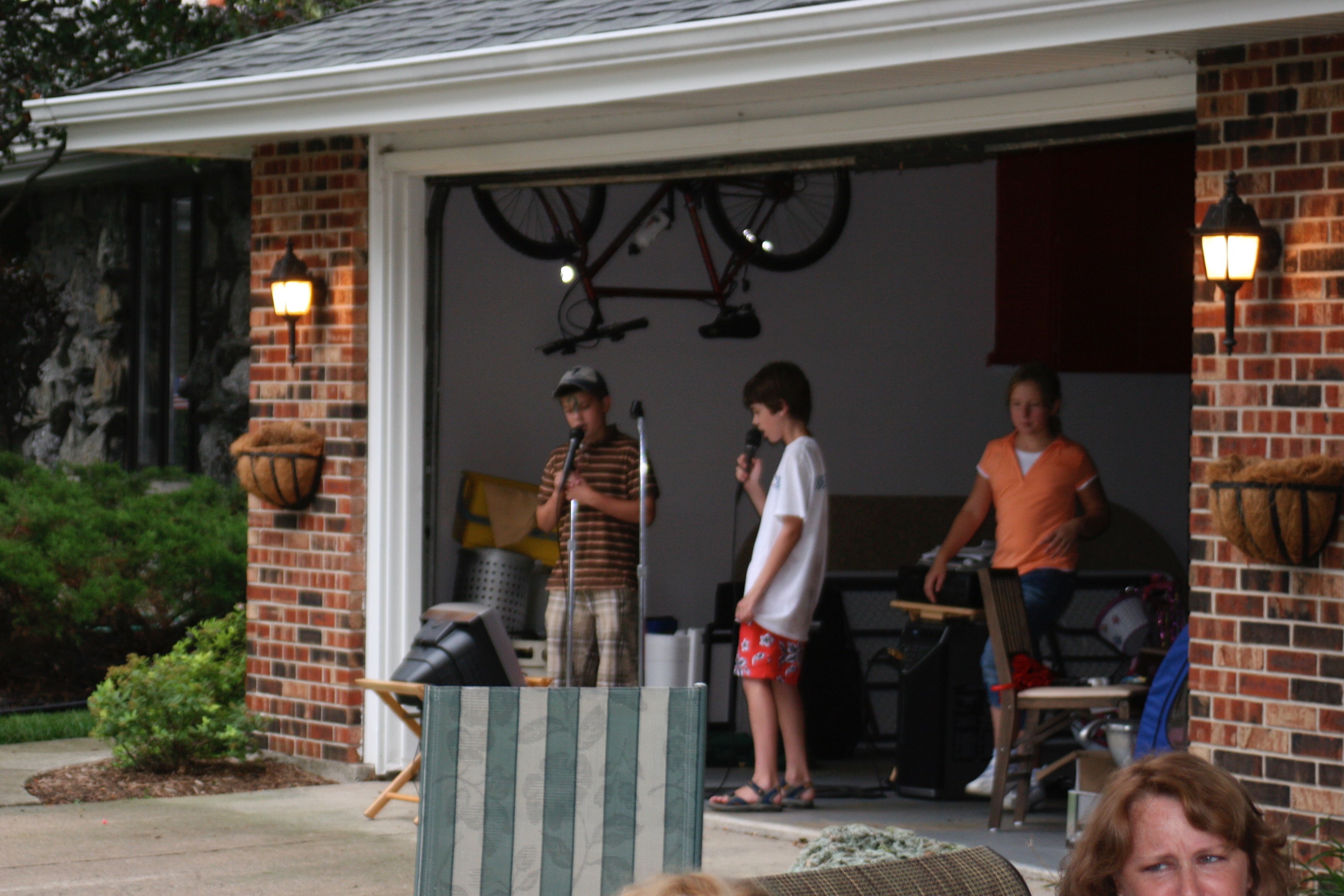
At some point in elementary school Ryan started playing football, and spending time with other Orland Park Pioneers. We were in different classes every year, and I found friends who were willing to play Lord of the Rings and Star Wars games at recess. Ryan found friends who would play kickball and four-square. My mom describes this as “pushing away” but I don’t remember it like that.
Ryan and I were never really alike, once we got the chance to be different. Little kids are just happy to have friends. By the middle of elementary school, it matters that you like doing the same things. So I played video games at Ryan’s house often, but went to other friends’ places more and more frequently as time went on. I didn’t like that in-game fights would spiral into the real world at Ryan’s, leading to wrestling matches between Ryan and his brothers. I only have sisters, and every fight would confuse me at a fundamental level. Why wouldn’t they just say mean things then tattle to Mr. and Mrs. Redman?
So it goes. During the school year, we didn’t interact. During the summers, though, time slowed down. There is nothing that beats the convenience of a friend who is fifty feet away. I remember feeling as if nothing had changed at all during those months. I once got him the most embarrassing birthday present I’ve ever heard of. I’ve tried to bury this memory deep, deep down, but it’s important that the world knows—or at least, the corner of it that can tease me for it. I bought two necklaces, one with SpongeBob, the other with Patrick. Each character carried one word: “Best” or “Friends.” We never wore them, and I still feel the sting of that swing-and-a-miss. But it wasn’t a real problem, just growing pains. Ryan was gracious about the chrome-painted cartoons on chains.
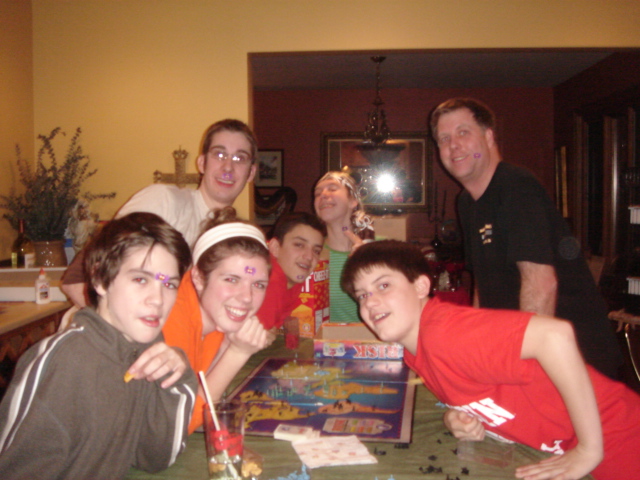
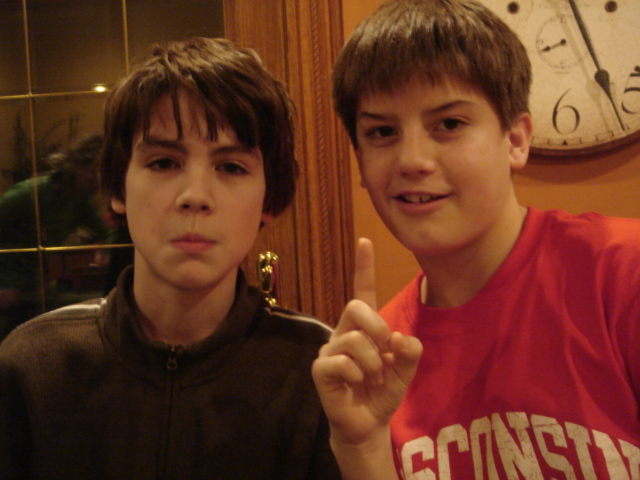
We’d play video games, go swimming, play a baseball-variant that closely resembled cricket, and ride our bikes up to the local hot dog place. That lasted until roughly seventh grade, then we stopped spending time together in the summers, too. After Ryan’s death, my sister looked through the nearly seventy thousand photos my dad has on his computer of us over the years, looking for a complete picture of Ryan’s life and its overlap with ours. She wanted the story of the “Redmannings.” The pictures were found fast and in great numbers early on, but by seventh grade, Ryan had basically disappeared from our physically recorded memories.
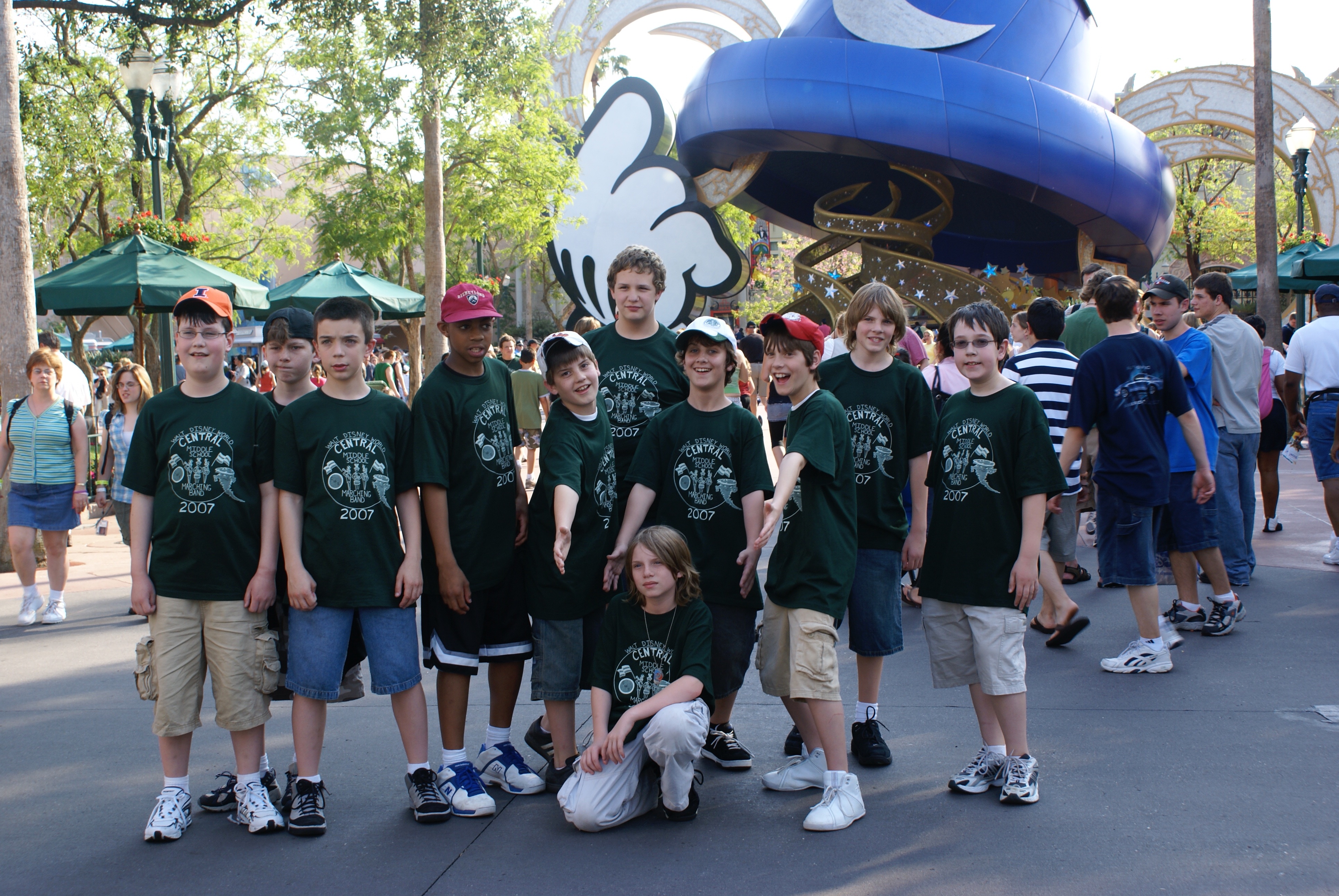
Band photos entered, but Ryan had quit after our trip to Disney. Instead we found photos of trips around the country, new friends, new activities. Most of our photos of Ryan, adorable as they are, are old. When you go to a wedding, or meet a pair of friends, and they can say “We’ve known each other for fifteen years” or twenty, or thirty, I often wonder how they pulled it off. Now I tease at the idea of what it would be like if Ryan and I had stayed close friends, or hell, even medium friends. This is a dangerous thought to have when grieving—it can invite blame and self-hatred, but I feel so distant from the Ryan of my youth that it’s hard to feel that particular type of pain. I just feel bizarre, stuck in a wormhole, stretched.
This is what it’s like when someone dies too soon. You imagine them reaching up, towards something unfathomable, and then being tugged down. I’m still reaching, but where are the people who were once around me? What happened? Why?
In high school, Ryan would occasionally pass me in the byzantine hallways of our enormous school. We’d smile, of course. How are you. I’m good. Good. That was it.
Every New Year’s Eve, we’d catch up in a shallow way, bang some pots and pans, light some sparklers, and move on. One year we played Risk against the neighbor kids. Ryan and I had a loud alliance through most of the game, but whenever our borders would touch, the grin would come out again. If I hadn’t been saved by the stroke of midnight, I think Ryan would’ve loved to play the odds and throw the whole game into anarchy. Of course, I was ready for that, eager for it. It would’ve been real.
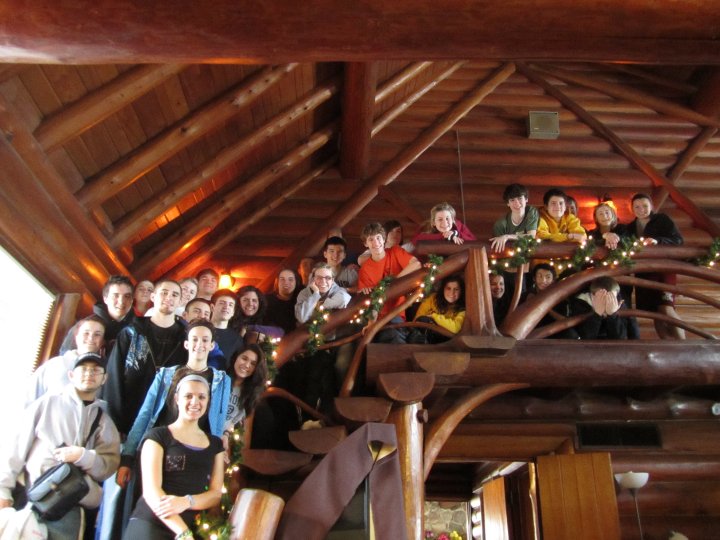
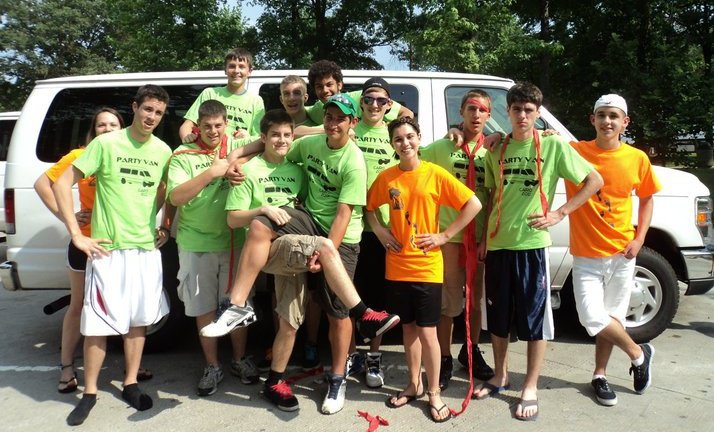
In the summers of our freshman and sophomore years we both went on Church-sponsored outings. When we took the long drives to impovershed neighborhoods, our van became known as the “Party Bus” We’d rock the van back in forth during “Bohemian Rhapsody” with such intensity that there was a legitimate concern that we’d tip over. We’d sing along to just about any song–including some strange swedish techno, to pass the time. By the second mission-trip we both went on, the busmates had t-shirts to commemorate our commitment to singing along. I still have mine. Whatever Ryan had said in his bedroom nearly a decade before, he had a singing voice. It wasn’t spectacular, but it was there nonetheless. He was silly, but he committed to the group’s effort. He was willing to be a part of something larger.
But that was it. Just moments and memories. It’s hard for me to articulate who Ryan was to me, by the end. My mom once broke up a party that he’d hosted at his house when his parents were away. I remember being upset that he didn’t ask me to be a lookout. I think, maybe, he didn’t want to drag me into it. His impression of me was somewhat preserved in an elementary innocence, and my impression of him was still rooted in the fact that he was the fastest runner in first grade. There was a real connection still, underneath it all, but neither of us took the time to reach it.
After high school, we still didn’t talk. My mom would tell me that she was worried about Ryan. Typical Mom. I’d check out his Facebook once a year, maybe. I’d get my hair cut by Mrs. Redman whenever I could (this will never change). I knew some of his friends from high school, and recognized them in his photos.
Last summer I remember him standing in front of my car, blocking me from leaving Palm Drive. He asked where I was going.
“I’m actually going up to Chicago for a Super Smash Bros. Tournament,” I told him, gesturing to my controller.
“What? They have tournaments? I bet you could kick my ass.” The grin.
“Yeah I could, we could play sometime. I’ll go easy.”
“We should. That’s actually really cool. So are you good? Do they host big tournaments?”
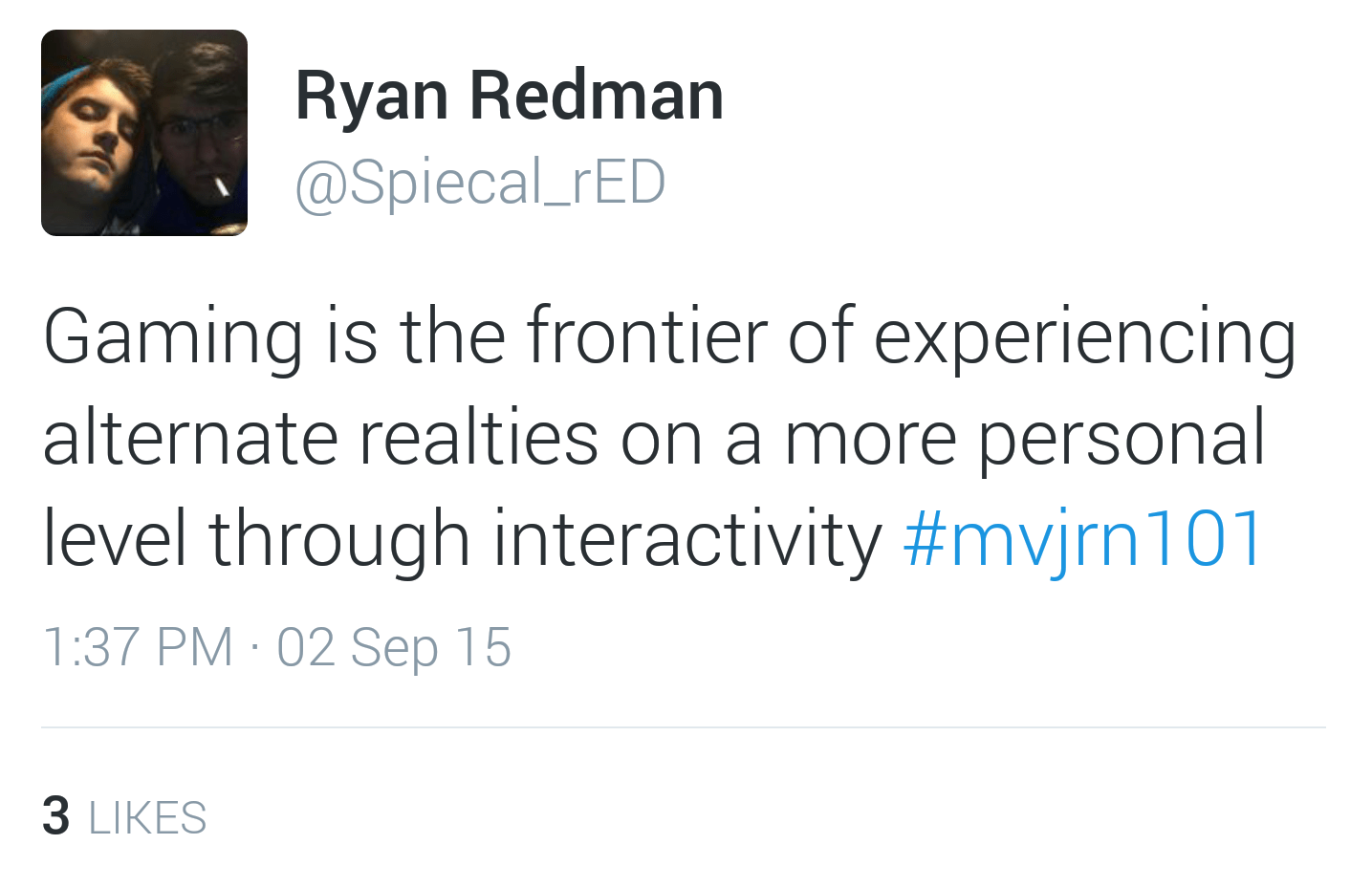
“I’m better than people who don’t try, and worse than people who do. And yeah, I’ve been to one with two-thousand people.” This is true: the harder you practice at something, the more you realize how hard it is to be ‘the best’ or even ‘good’. Ryan’s eyes lit up.
“Ah, so you aren’t gonna make money?”
“No, I’ll lose a little.” (A lot)
“Well, good luck. I’ll get out of the way.”
Ryan went back to his car, his friends, his life. We never met up. He was out of the way. That was it.
(I agree)
I write all of this down because I feel like my scattered memories and story of disconnection don’t belong to me. They belong to the Redmans, they belonged to Ryan, and they belong to anyone who is trying to cope with the loss of a friend. I don’t want to eulogize Ryan, or lather him with praise. I want to make sense of my own reaction to his passing. His “passing”. What an elegant phrase. We have been passing each other for a decade. Someone asked me if I feel like I failed somehow by not reconnecting. There wasn’t blame in the questioners’ intent, I think they wanted to lead me to a place where they could tell me “It’s not your fault.” Everyone loves to say that.
They love to say “It’s not your fault,” they love to say “he’s in a better place now,” they love to say “It’s God’s plan,” or “It’s not God’s plan.” They love to talk about his smile as much as I do, they love to talk about what went wrong, what could’ve been done. They love to talk about the Ryan they knew.
The Ryan I knew was a little kid who kept moving away from me, and who I moved away from. The Ryan I knew represents a huge part of who I am. We don’t really get to pick who we are at our core. We build layers around our deepest selves, protecting us from infiltration. We have shields and adaptions, techniques to charm and avoid and persevere as the waves of life slowly erode our resolve. Most people are lucky enough to outrun the tide. For those who can’t, we can celebrate who they were at their deepest. I kept noticing him changing when I’d have short conversations with him in the last few years. He would reach a little harder to be part of my world, to understand where I was. Everyone I’ve talked to noticed the same thing. There were darker changes, yes, but Ryan was ready to reach beyond himself. Even if he didn’t know it, we knew it.
I feel so far away from Ryan; I feel selfish writing this. Who am I to tell you anything about Ryan? We were childhood playmates who were a little awkward whenever we crossed paths later. Isn’t that enough? I can just make myself available to the grieving, be ready for a hug, for empathy. I don’t have to dwell.
But I’ve noticed that I, and people in general, feel weird when friends they’ve lost touch with suddenly reappear, for better or worse. I don’t know how to reconcile the Ryan I knew with the Ryan we lost. I can’t speak to the tragedy, to the gash across his mind that was deep enough to take him. The anesthesia of death spreads like a pool of water, freezing friends and family and acquaintances in a stasis. We become robots looking for things to do, trying to remember how we coped with the last bout of grief.
Write down memories. Look for pictures, post to Facebook, contact the family. We do what we can, and then we move on.
I’m scared that my parents or Ryan’s parents will look at me and feel fear, or sadness, or overwhelming thankfulness. The childhoods we shared are a bastion of innocence against the horrors and melancholy of the present. I’m scared for myself. I’m scared that I’ll move on too quickly. I’m scared that it wouldn’t even be wrong for me to. In ten years, what will I remember about Ryan? What about twenty years, or thirty? I had trouble conjuring memories for this post. What kind of person forgets his best friend?
I’ve decided what I will remember. I’ve decided what won’t move. I won’t move the Ryan I knew. The Ryan I knew was ready to fight when he shouldn’t have, hide when he didn’t need to, and struggle when everything seemed to be going wrong. The Ryan I knew was also ready to love, ready to imagine, ready to help. He had a molten, churning core full of fire and love and loyalty. The Ryan I knew was an artist who didn’t know it. I’ll remember him as complete of a person as I can. I’ll occasionally remember his smile when I tease someone. I’ll help the Redmans, who have been robbed. But eventually, that’ll be it.
Memory is more than a play that happens in our head—memory makes the patterns of the past real. What do we mean when we say “I am,” or “Ryan was?” What is going on that makes a person a person? When we spend time with others, our minds light up, and we can reflect, in a very real way, the people who we call “lost,” or “gone.” The habits, mannerisms, thoughts, feelings, facial expressions, reactions—all of the things we impart on one another become part of the pattern that we call “I”. How many times has someone told you that you reminded them of a friend, or a parent, or a child who has seemed to move on? How many times have you caught yourself doing something that is just as much “you” as it is someone else?
To me, life is a brief ray of light between two voids of dreamless sleep. What we leave behind reflects and distorts and amplifies who we were. The people Ryan has touched, and the memories that stretch back to my childhood leave real marks. They are recordings and experiences that are part of who we are. It’s strange. It’s wonderful. This is what we have.
This is it.
 jackzilla land
Leave a reply to Patti Lavin Cancel reply